![[CITYPNG.COM]Recycle Recycling Gray Logo Icon PNG - 2000x2000](https://carolynrobbins.com/wp-content/uploads/elementor/thumbs/CITYPNG.COMRecycle-Recycling-Gray-Logo-Icon-PNG-2000x2000-1-r5rzqaseuhs9zbep9iq5b6a21jinhz8iht1tkz1hmc.webp "[CITYPNG.COM]Recycle Recycling Gray Logo Icon PNG – 2000×2000")

Lighting has changed dramatically over the years. While energy-efficient technology has made tremendous progress, designers have also had to relearn how light behaves, how it shapes a space and how to create warmth and atmosphere with new sources. Good lighting is never just about choosing a bulb. I start with how I want people to experience a room and then I look for creative ways to achieve this, using fewer resources.
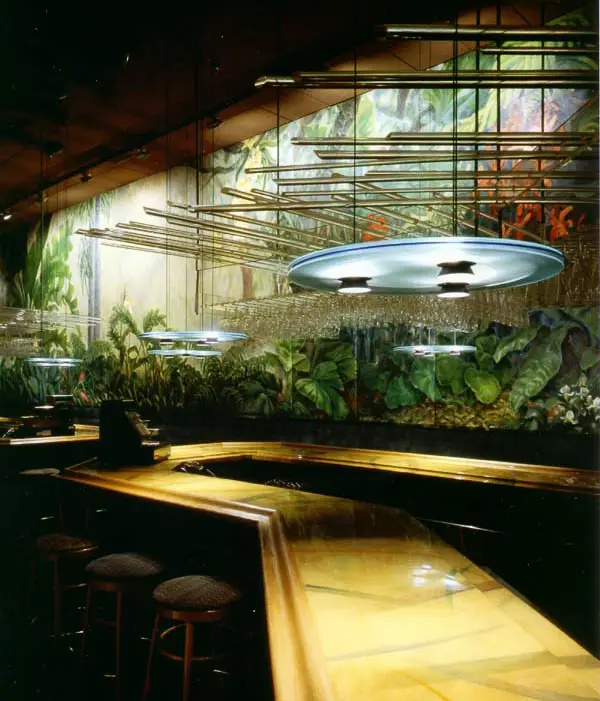
My approach begins with the ambiance of a space rather than the fixture itself. I look first at how natural light can be extended from one lit area into another, as in the Heeb kitchen where a glass backsplash amplifies daylight and offers a textural reflective surface too. I explore how a few low-wattage lamps can softly illuminate an area behind a paper umbrella. How diffusing light with colored paper or theatrical gels, can warm the cooler color temperatures of LED lighting.
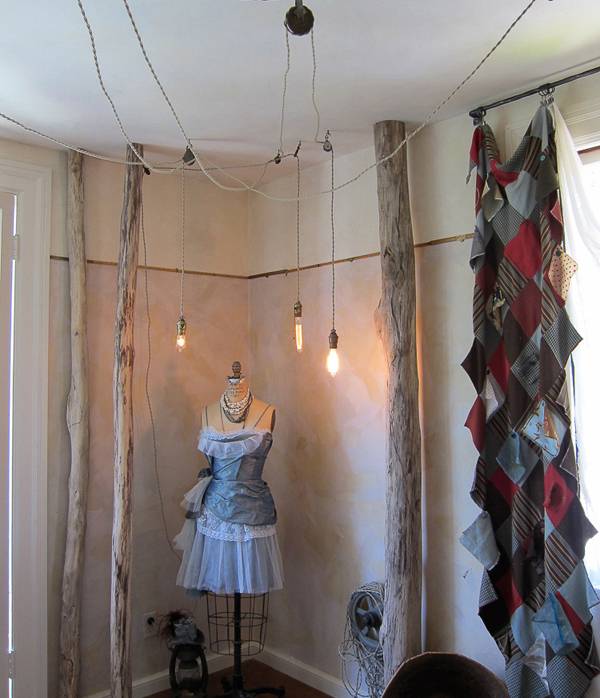
Rather than relying on one source of illumination, I create what I call a lighting strategy, layering different types of light to produce a comfortable, inviting environment while minimizing energy use and reducing the amount of electrical installation required. Sustainability in lighting goes far beyond electricity consumption. Every recessed fixture requires wiring, electrical boxes, labor transportation and manufactured materials. These all carry an environmental cost. Sometimes the greenest solution is simply avoiding unnecessary construction. At the Bess Rice Studio, electricians believed the historic plaster walls would have to be demolished to install display lighting. Instead, I designed an wrapped cord system that wound up the wall like a vine, complementing the wine-country character of the building. The wiring became part of the design rather than something to hide, preserving the historic walls while creating a distinctive visual feature.
Lighting has changed dramatically over the years. While energy-efficient technology has made tremendous progress, designers have also had to relearn how light behaves, how it shapes a space and how to create warmth and atmosphere with new sources. Good lighting is never just about choosing a bulb. I start with how I want people to experience a room and then I look for creative ways to achieve this, using fewer resources.
My approach begins with the ambiance of a space rather than the fixture itself. I look first at how natural light can be extended from one lit area into another, as in the Heeb kitchen where a glass backsplash amplifies daylight and offers a textural reflective surface too. I explore how a few low-wattage lamps can softly illuminate an area behind a paper umbrella. How diffusing light with colored paper or theatrical gels, can warm the cooler color temperatures of LED lighting.
Rather than relying on one source of illumination, I create what I call a lighting strategy, layering different types of light to produce a comfortable, inviting environment while minimizing energy use and reducing the amount of electrical installation required. Sustainability in lighting goes far beyond electricity consumption. Every recessed fixture requires wiring, electrical boxes, labor transportation and manufactured materials. These all carry an environmental cost. Sometimes the greenest solution is simply avoiding unnecessary construction. At the Bess Rice Studio, electricians believed the historic plaster walls would have to be demolished to install display lighting. Instead, I designed an wrapped cord system that wound up the wall like a vine, complementing the wine-country character of the building. The wiring became part of the design rather than something to hide, preserving the historic walls while creating a distinctive visual feature.
Lighting has changed dramatically over the years. While energy-efficient technology has made tremendous progress, designers have also had to relearn how light behaves, how it shapes a space and how to create warmth and atmosphere with new sources. Good lighting is never just about choosing a bulb. I start with how I want people to experience a room and then I look for creative ways to achieve this, using fewer resources.
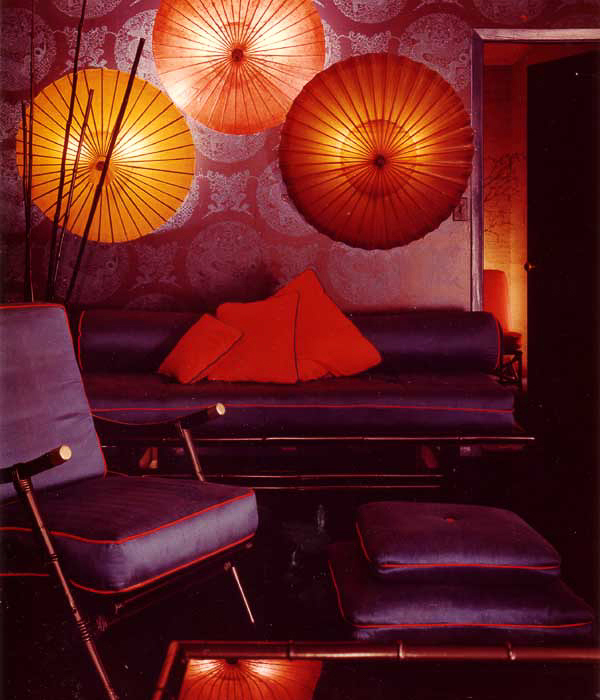
My approach begins with the ambiance of a space rather than the fixture itself. I look first at how natural light can be extended from one lit area into another, as in the Heeb kitchen where a glass backsplash amplifies daylight and offers a textural reflective surface too. I explore how a few low-wattage lamps can softly illuminate an area behind a paper umbrella. How diffusing light with colored paper or theatrical gels, can warm the cooler color temperatures of LED lighting.
Rather than relying on one source of illumination, I create what I call a lighting strategy, layering different types of light to produce a comfortable, inviting environment while minimizing energy use and reducing the amount of electrical installation required. Sustainability in lighting goes far beyond electricity consumption. Every recessed fixture requires wiring, electrical boxes, labor transportation and manufactured materials. These all carry an environmental cost. Sometimes the greenest solution is simply avoiding unnecessary construction. At the Bess Rice Studio, electricians believed the historic plaster walls would have to be demolished to install display lighting. Instead, I designed an wrapped cord system that wound up the wall like a vine, complementing the wine-country character of the building. The wiring became part of the design rather than something to hide, preserving the historic walls while creating a distinctive visual feature.
Lighting has changed dramatically over the years. While energy-efficient technology has made tremendous progress, designers have also had to relearn how light behaves, how it shapes a space and how to create warmth and atmosphere with new sources. Good lighting is never just about choosing a bulb. I start with how I want people to experience a room and then I look for creative ways to achieve this, using fewer resources.
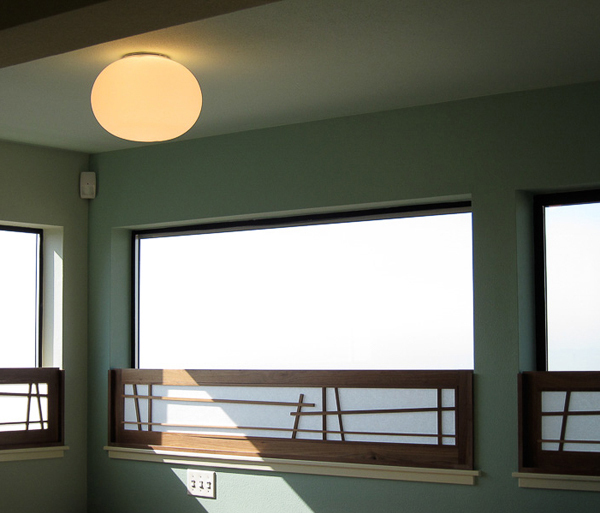
My approach begins with the ambiance of a space rather than the fixture itself. I look first at how natural light can be extended from one lit area into another, as in the Heeb kitchen where a glass backsplash amplifies daylight and offers a textural reflective surface too. I explore how a few low-wattage lamps can softly illuminate an area behind a paper umbrella. How diffusing light with colored paper or theatrical gels, can warm the cooler color temperatures of LED lighting.
Rather than relying on one source of illumination, I create what I call a lighting strategy, layering different types of light to produce a comfortable, inviting environment while minimizing energy use and reducing the amount of electrical installation required. Sustainability in lighting goes far beyond electricity consumption. Every recessed fixture requires wiring, electrical boxes, labor transportation and manufactured materials. These all carry an environmental cost. Sometimes the greenest solution is simply avoiding unnecessary construction. At the Bess Rice Studio, electricians believed the historic plaster walls would have to be demolished to install display lighting. Instead, I designed an wrapped cord system that wound up the wall like a vine, complementing the wine-country character of the building. The wiring became part of the design rather than something to hide, preserving the historic walls while creating a distinctive visual feature.
Lighting has changed dramatically over the years. While energy-efficient technology has made tremendous progress, designers have also had to relearn how light behaves, how it shapes a space and how to create warmth and atmosphere with new sources. Good lighting is never just about choosing a bulb. I start with how I want people to experience a room and then I look for creative ways to achieve this, using fewer resources.
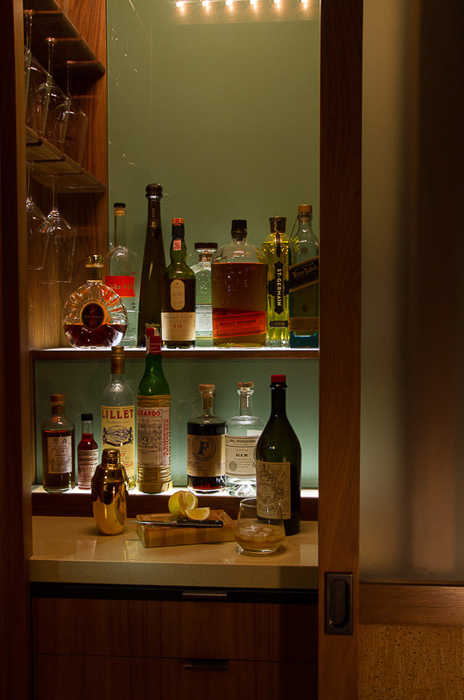
My approach begins with the ambiance of a space rather than the fixture itself. I look first at how natural light can be extended from one lit area into another, as in the Heeb kitchen where a glass backsplash amplifies daylight and offers a textural reflective surface too. I explore how a few low-wattage lamps can softly illuminate an area behind a paper umbrella. How diffusing light with colored paper or theatrical gels, can warm the cooler color temperatures of LED lighting.
Rather than relying on one source of illumination, I create what I call a lighting strategy, layering different types of light to produce a comfortable, inviting environment while minimizing energy use and reducing the amount of electrical installation required. Sustainability in lighting goes far beyond electricity consumption. Every recessed fixture requires wiring, electrical boxes, labor transportation and manufactured materials. These all carry an environmental cost. Sometimes the greenest solution is simply avoiding unnecessary construction. At the Bess Rice Studio, electricians believed the historic plaster walls would have to be demolished to install display lighting. Instead, I designed an wrapped cord system that wound up the wall like a vine, complementing the wine-country character of the building. The wiring became part of the design rather than something to hide, preserving the historic walls while creating a distinctive visual feature.
Lighting has changed dramatically over the years. While energy-efficient technology has made tremendous progress, designers have also had to relearn how light behaves, how it shapes a space and how to create warmth and atmosphere with new sources. Good lighting is never just about choosing a bulb. I start with how I want people to experience a room and then I look for creative ways to achieve this, using fewer resources.
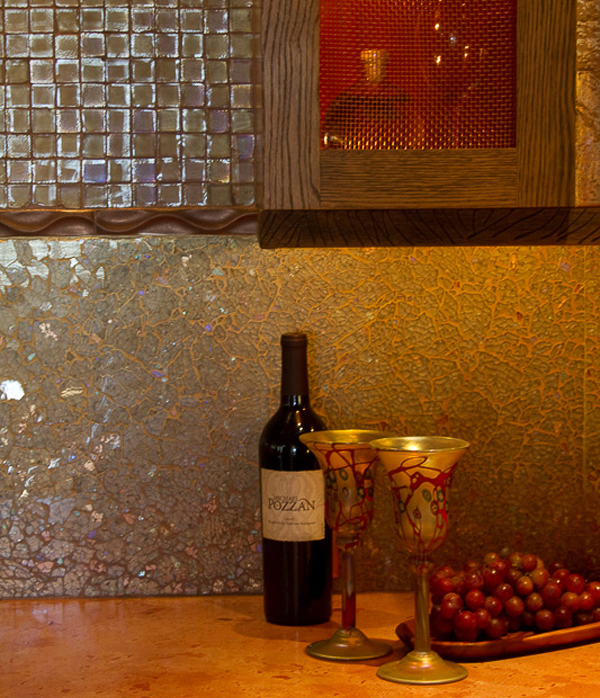
My approach begins with the ambiance of a space rather than the fixture itself. I look first at how natural light can be extended from one lit area into another, as in the Heeb kitchen where a glass backsplash amplifies daylight and offers a textural reflective surface too. I explore how a few low-wattage lamps can softly illuminate an area behind a paper umbrella. How diffusing light with colored paper or theatrical gels, can warm the cooler color temperatures of LED lighting.
Rather than relying on one source of illumination, I create what I call a lighting strategy, layering different types of light to produce a comfortable, inviting environment while minimizing energy use and reducing the amount of electrical installation required. Sustainability in lighting goes far beyond electricity consumption. Every recessed fixture requires wiring, electrical boxes, labor transportation and manufactured materials. These all carry an environmental cost. Sometimes the greenest solution is simply avoiding unnecessary construction. At the Bess Rice Studio, electricians believed the historic plaster walls would have to be demolished to install display lighting. Instead, I designed an wrapped cord system that wound up the wall like a vine, complementing the wine-country character of the building. The wiring became part of the design rather than something to hide, preserving the historic walls while creating a distinctive visual feature.
Lighting has changed dramatically over the years. While energy-efficient technology has made tremendous progress, designers have also had to relearn how light behaves, how it shapes a space and how to create warmth and atmosphere with new sources. Good lighting is never just about choosing a bulb. I start with how I want people to experience a room and then I look for creative ways to achieve this, using fewer resources.
My approach begins with the ambiance of a space rather than the fixture itself. I look first at how natural light can be extended from one lit area into another, as in the Heeb kitchen where a glass backsplash amplifies daylight and offers a textural reflective surface too. I explore how a few low-wattage lamps can softly illuminate an area behind a paper umbrella. How diffusing light with colored paper or theatrical gels, can warm the cooler color temperatures of LED lighting.
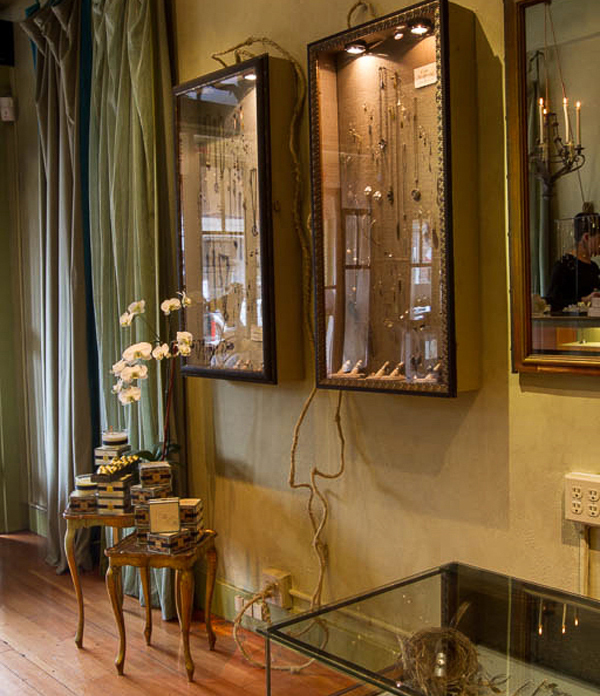
Rather than relying on one source of illumination, I create what I call a lighting strategy, layering different types of light to produce a comfortable, inviting environment while minimizing energy use and reducing the amount of electrical installation required. Sustainability in lighting goes far beyond electricity consumption. Every recessed fixture requires wiring, electrical boxes, labor transportation and manufactured materials. These all carry an environmental cost. Sometimes the greenest solution is simply avoiding unnecessary construction. At the Bess Rice Studio, electricians believed the historic plaster walls would have to be demolished to install display lighting. Instead, I designed an wrapped cord system that wound up the wall like a vine, complementing the wine-country character of the building. The wiring became part of the design rather than something to hide, preserving the historic walls while creating a distinctive visual feature.